Photo by Gustavo Fring on Pexels.com
If you’ve scrolled through Instagram recently or overheard your colleagues chatting about their latest workout, chances are reformer Pilates has come up. It’s the fitness trend that’s quietly become impossible to ignore — and for good reason. Reformer Pilates bookings in the UK surged by 66% year-on-year, and all 1,981 verified Pilates studios in the UK now offer the format. This isn’t a passing fad. So what exactly is reformer Pilates, and should you give it a try?
What Is a Reformer?
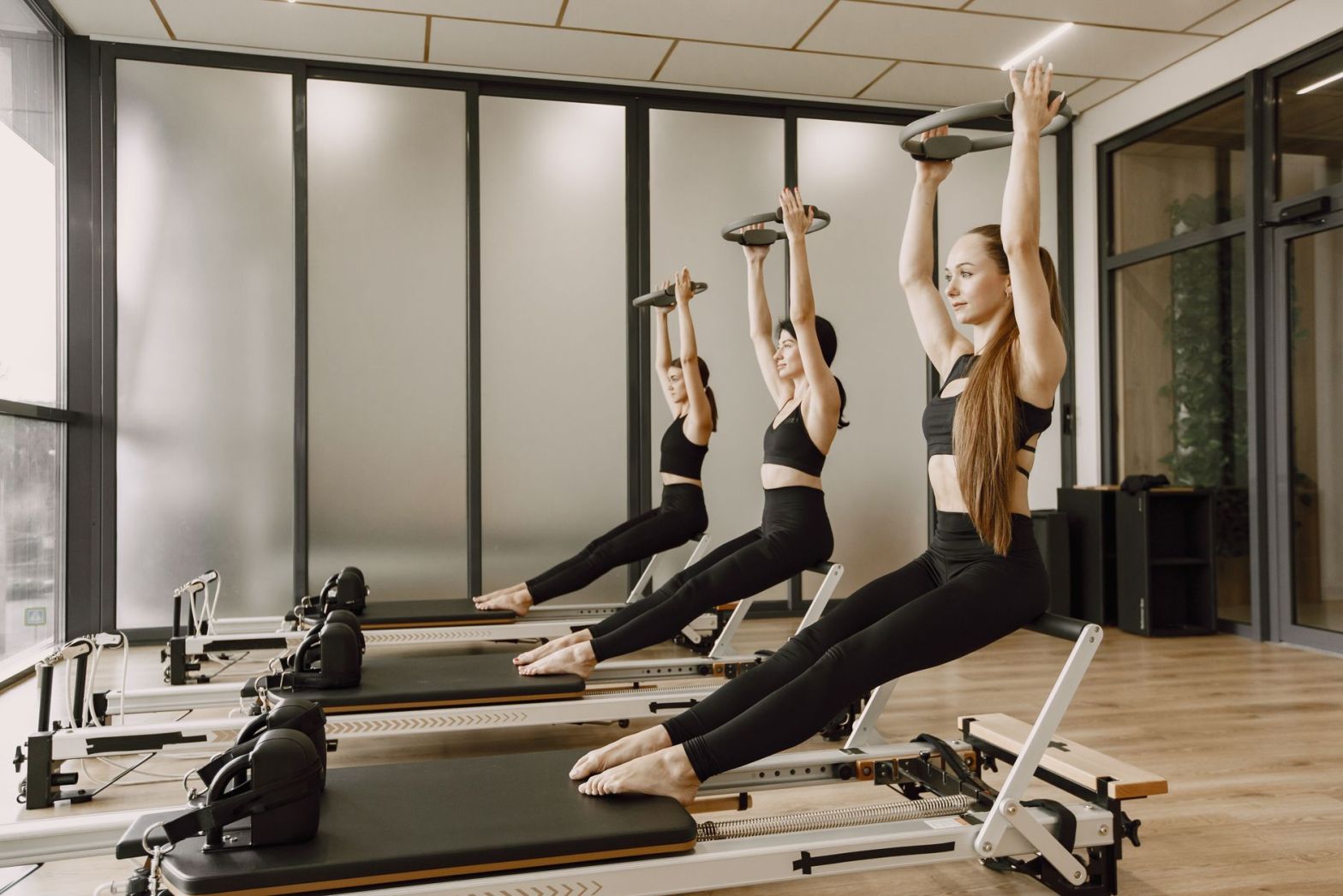
The reformer is a specialised piece of equipment that forms the centrepiece of every reformer Pilates class. It looks a little unusual at first glance — think a padded sliding carriage on a frame, with springs, straps, a footbar, and ropes attached. The carriage moves back and forth along the frame, and the springs can be adjusted to increase or decrease resistance depending on the exercise and your fitness level.
Unlike a mat Pilates class, where your bodyweight provides most of the challenge, the reformer adds a layer of versatility. You can push, pull, and stabilise against the resistance of the springs in dozens of different positions — lying, sitting, kneeling, or standing — which makes it effective for targeting everything from your core and glutes to your arms, shoulders, and back.
What Happens in a Reformer Pilates Class?
If you’ve never tried reformer Pilates before, it can feel a little daunting walking in for the first time. But most studios are set up specifically to welcome beginners. Here’s what a typical class looks like:
Your instructor will usually spend a few minutes explaining how the reformer works before you start. Classes tend to begin with a warm-up — gentle movements that activate your core and get the blood flowing — before moving through a series of exercises that flow from one to the next. A session typically lasts 50 to 60 minutes, finishing with a cool-down and stretch.
The movements themselves are controlled and deliberate. You’ll rarely be rushing from one thing to the next. Instead, you’re encouraged to focus on form, breathing, and the quality of each movement — which is what makes reformer Pilates feel so different from a spin class or a circuit session.
The Benefits of Reformer Pilates
There’s a reason so many people book a second class before they’ve even left the studio. The benefits of reformer Pilates are wide-ranging.
Core strength and stability. Every exercise engages your core in some way, helping to build the deep stabilising muscles that support your spine and pelvis. This is particularly valuable if you spend long hours at a desk.
Improved posture. Reformer Pilates is built around proper alignment. Over time, regular practice can help correct the hunched posture that comes from sitting at a computer all day.
Full-body toning. Because the reformer targets muscles in so many different positions, you’ll work muscle groups that traditional gym exercises often miss.
Flexibility. The controlled stretching throughout each session gradually improves your range of motion, which benefits everything from your running form to how well you sleep.
Low impact, high results. Unlike running or jumping, reformer Pilates is easy on the joints. This makes it an excellent option for people returning from injury, those with joint pain, or anyone looking for a workout that won’t leave them struggling the next morning. The NHS recommends that adults get a mix of strengthening and aerobic activity each week — reformer Pilates ticks the strengthening box nicely.
Is Reformer Pilates Good for Beginners?
Yes — and this is one of the things that surprises people most. Because the spring resistance can be adjusted so precisely, complete beginners can start with very light resistance and build up gradually. Many studios offer dedicated beginner classes or introductory sessions where you’ll learn the basics without feeling out of your depth.
Most people notice improvements in how they feel within just a few sessions — better posture, a stronger core, and a general sense of body awareness. More significant results in terms of strength and toning tend to become visible after six to twelve weeks of regular practice, according to Complete Pilates.
It’s worth letting your instructor know before class if you have any injuries or health concerns. They can modify exercises to suit your needs.
How Much Does Reformer Pilates Cost in the UK?
Reformer Pilates sits at a slightly higher price point than a standard gym class, and for good reason: commercial reformer machines cost between £3,000 and £6,000 each, studios typically accommodate only 8 to 12 people per session, and instructors need additional certification to teach safely on the apparatus.
Here’s what you can typically expect to pay in 2026:
- Drop-in group class: £20–£35
- Class pack (10 sessions): £160–£280 (working out at £16–£28 per class)
- Private one-to-one session: £55–£90+
Prices tend to be higher in London and other major cities. If you’re looking to make reformer Pilates a regular habit, buying a class pack is usually the most cost-effective option. Some gyms and leisure centres now include Pilates classes within their membership, so it’s worth checking what’s available near you.
How to Find a Reformer Pilates Studio Near You
Reformer Pilates studios have opened up all over the UK in the past few years — you’ll find them in major cities and increasingly in smaller towns too. When choosing a studio, look for instructors with recognised qualifications (such as STOTT Pilates, Body Control Pilates, or APPI), and check whether they offer beginner or introductory classes.
You can use Gymist to search for gyms and fitness studios near you — it’s a simple way to compare what’s available in your area without having to trawl through Google. If you’re based in London, you’ll find no shortage of options; the same goes for Manchester, Birmingham, and most other UK cities.
Is It Worth It?
If you’re looking for a workout that builds genuine strength, improves how you move, and leaves you feeling energised rather than exhausted, reformer Pilates is hard to beat. The fact that bookings have surged right across the UK is a strong signal that this isn’t just a social media trend — it’s a workout that delivers results people want to keep coming back for.
Whether you’re brand new to fitness or a seasoned gym-goer looking to add something different to your routine, one introductory class is usually all it takes to understand why reformer Pilates has taken hold the way it has. Find a studio near you and give it a go — your posture will thank you.

