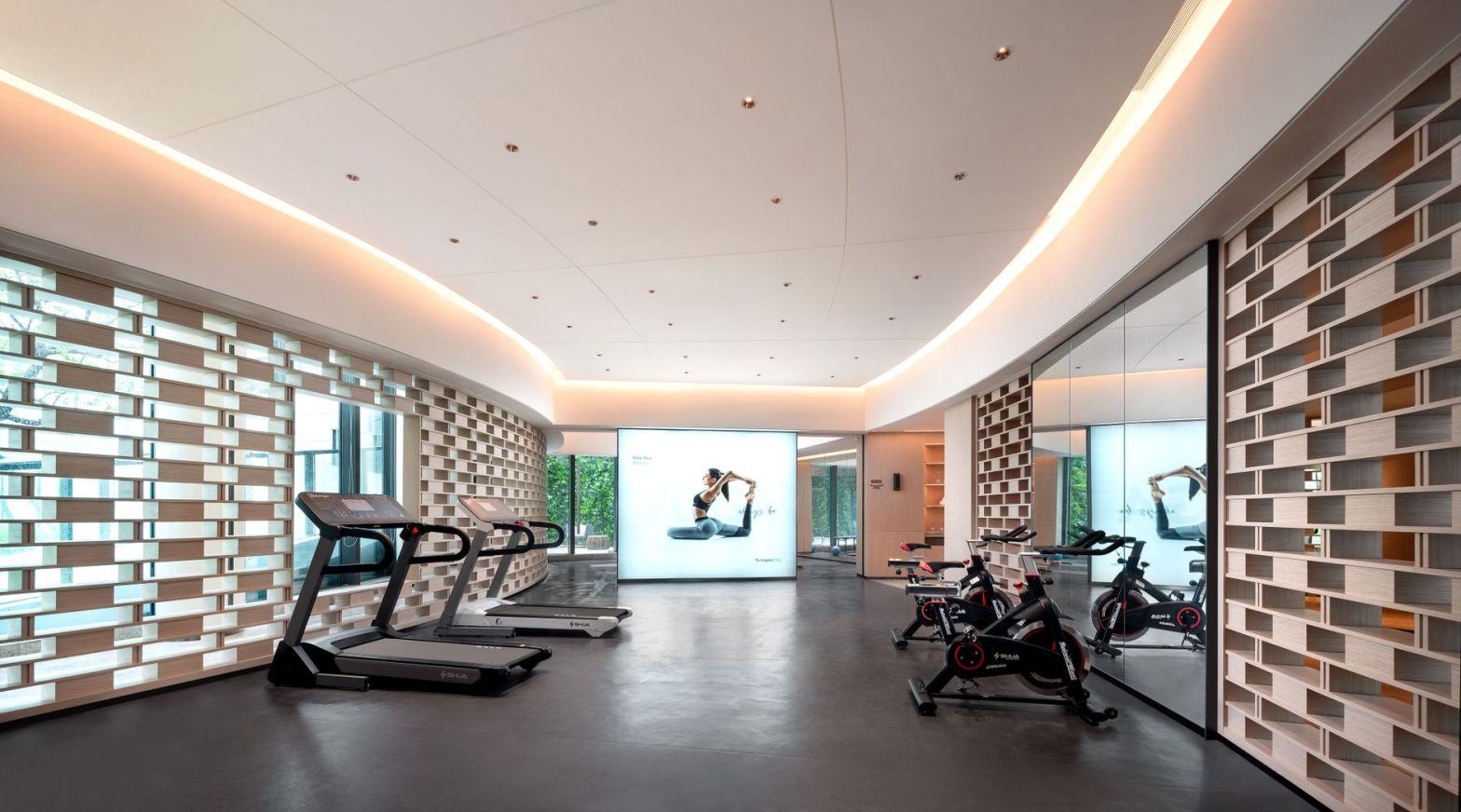
Photo by eran design on Pexels.com
If you’ve been anywhere near the fitness internet lately, you’ve probably seen the phrase “Zone 2 training” popping up constantly. Podcasters are obsessing over it. Longevity researchers are championing it. And perhaps most surprisingly — gym-goers are being told to slow down and embrace it.
The twist? Zone 2 training might be the most effective thing you’re not doing in the gym.
What Is Zone 2 Training?
Zone 2 refers to a specific heart rate range — roughly 60–70% of your maximum heart rate. At this intensity, you’re working hard enough to elevate your breathing and get your blood pumping, but you’re still able to hold a conversation in full sentences. It’s the kind of effort you’d put into a brisk walk, a light jog, or a comfortable cycling session where you’re not gasping for air.
Exercise physiologists divide cardiovascular effort into five heart rate zones, from very light recovery (Zone 1) to all-out sprint effort (Zone 5). Zone 2 is sometimes called “aerobic base” training — it’s the foundation upon which all other fitness is built.
Unlike high-intensity interval training (HIIT) or hard tempo runs, Zone 2 exercise relies primarily on fat as its fuel source and places relatively low stress on your body, meaning you can do it frequently without needing days of recovery.
Why Everyone’s Talking About It Right Now
Zone 2 training isn’t new — endurance coaches have used it for decades. What is new is the mainstream attention it’s receiving, largely driven by the longevity and health optimisation movement.
Researchers and doctors have highlighted how Zone 2 training improves mitochondrial function — the energy-producing capacity of your cells. Better mitochondrial health is linked to improved metabolic health, lower inflammation, more efficient fat burning, and stronger cardiovascular performance as you age.
It also lines up neatly with NHS physical activity guidelines, which recommend at least 150 minutes of moderate-intensity aerobic activity per week. Zone 2 is essentially a scientifically defined version of what the NHS has been recommending for years.
A 2025 review published on PubMed found that while Zone 2 training delivers real cardiovascular and mitochondrial benefits, it works best as part of a broader programme that includes some higher-intensity work too — not as a replacement for everything else.
How to Calculate Your Zone 2 Heart Rate
To find your Zone 2, you first need to estimate your maximum heart rate (MHR). The simplest formula is:
220 minus your age = estimated maximum heart rate
So if you’re 35 years old, your estimated MHR is 185 beats per minute (bpm). Your Zone 2 would then be 60–70% of that — roughly 111–130 bpm.
Here’s a quick reference:
- Age 25: Zone 2 = approximately 117–136 bpm
- Age 35: Zone 2 = approximately 111–130 bpm
- Age 45: Zone 2 = approximately 105–122 bpm
- Age 55: Zone 2 = approximately 99–116 bpm
These are estimates — individual variation exists — but they’re a solid starting point. Most modern gym cardio equipment displays your heart rate, and many fitness trackers and smartwatches can monitor it in real time too.
If you don’t have a heart rate monitor, use the “talk test”: if you can speak in full sentences comfortably, but singing would feel difficult, you’re likely in Zone 2. If you’re too breathless to speak, you’ve gone too hard.
The Best Zone 2 Exercises to Do at the Gym
Almost any sustained, rhythmic exercise can be done at Zone 2 intensity. Here are the most popular options you’ll find at most UK gyms:
Treadmill
Walking at an incline or jogging at an easy pace are both excellent Zone 2 options. The treadmill lets you dial in a consistent speed and monitor your heart rate directly from the display. Many people are surprised to find that a brisk walk at 5–6% incline keeps them well within Zone 2 without the impact of running.
Stationary Bike or Cycling Machine
Cycling is arguably the best Zone 2 tool in the gym. It’s low-impact, easy on the joints, and you can maintain a steady effort for 30–60 minutes without the fatigue that running can bring. Indoor cycling bikes — not spin class, just steady pedalling at moderate resistance — are ideal.
Rowing Machine
The rowing machine works your whole body at a low-to-moderate pace, making it excellent for Zone 2 when used at a controlled, sustainable stroke rate. Aim for long, controlled strokes rather than power bursts.
Cross Trainer / Elliptical
A smooth, low-impact choice that’s particularly good if you’re managing knee or hip issues. It’s easy to find a comfortable Zone 2 rhythm and maintain it for extended periods.
How Much Zone 2 Should You Do?
Most experts recommend working towards 150–180 minutes of Zone 2 per week, spread over three to five sessions. If you’re just starting out, don’t worry about hitting those numbers immediately — begin with two or three 30-minute sessions and build from there.
The key is consistency over intensity. One 45-minute Zone 2 ride per week done consistently will yield far better results than sporadic burst training. Think of it as building your aerobic engine slowly and steadily over weeks and months.
Common Zone 2 Mistakes to Avoid
Going too hard. This is the most common error. Most people instinctively push harder than Zone 2 without realising it. Slow down, check your heart rate, and resist the urge to “make it count” by increasing the intensity. Zone 2 is supposed to feel easy.
Expecting quick results. Zone 2 adaptations build over weeks and months. It improves your aerobic base and metabolic health gradually — you won’t feel dramatically different after one session. Stick with it.
Doing only Zone 2. As the research notes, Zone 2 works best when combined with some harder training. A mix of Zone 2 sessions and one or two higher-intensity efforts per week gives you the broadest fitness benefits.
Ready to Get Started?
Zone 2 training is one of the most accessible and evidence-backed things you can add to your routine. All you need is a gym with a treadmill, bike, or rowing machine, a rough idea of your heart rate, and the discipline to keep it steady.
Whether you’re returning to fitness after a break, building your base for a bigger goal, or simply looking to improve your health long-term, Zone 2 is an excellent place to start.
If you’re looking for a gym near you with the right cardio equipment for Zone 2 sessions, search for gyms on Gymist — you can filter by facilities to find exactly what you need.
 Gym Finder