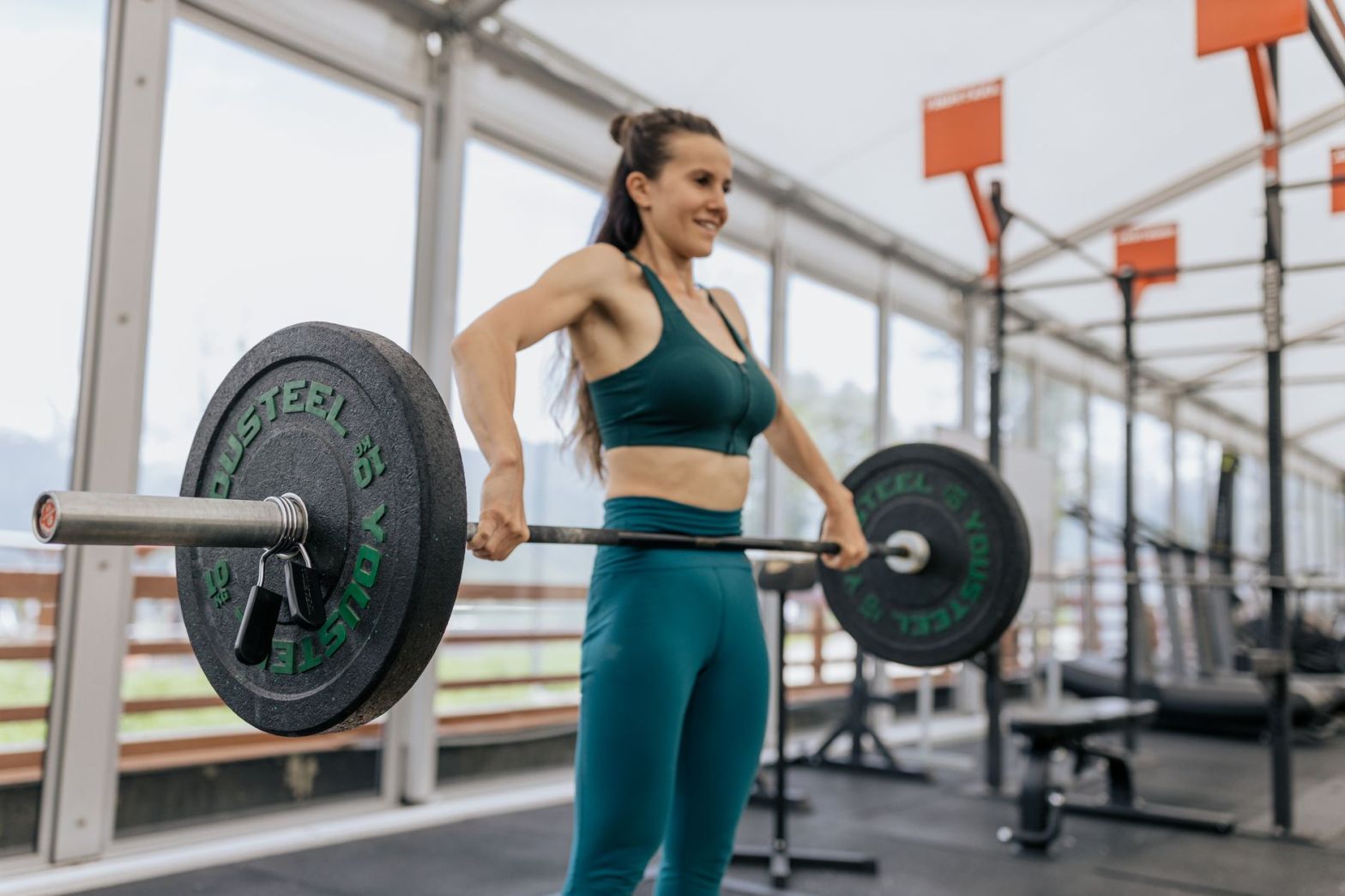
Photo by Anastasia Shuraeva on Pexels.com
Walk into any UK gym in 2026 and you’ll notice something: the free weights area is busier than ever. Strength training has gone from a niche pursuit to the country’s fastest-growing fitness habit, with searches for strength training classes up 51% year on year according to PureGym’s UK Fitness Report. If you’ve been thinking about picking up a barbell but don’t know where to start, this guide is for you.
Why everyone’s suddenly lifting weights
For years, cardio was king. Treadmills and spin bikes dominated gym floors while the weights room was left to a dedicated few. That’s changed dramatically. Strength training now sits at the heart of most modern training programmes, and the shift is being driven by a better understanding of what lifting actually does for the body.
It’s not just about building muscle. Research consistently shows that resistance training improves bone density, supports joint health, boosts metabolism and plays a meaningful role in mental wellbeing. The same PureGym report found that 61% of adults who exercise now complete two strength-focused sessions per week — exactly in line with government guidelines.
How much strength training do you actually need?
The good news: less than you might think. The NHS physical activity guidelines recommend strengthening activities that work all the major muscle groups on at least two days a week, alongside 150 minutes of moderate aerobic activity. That’s two sessions of around 30 to 45 minutes — entirely manageable even with a busy schedule.
Importantly, “strengthening activities” doesn’t have to mean barbells and dumbbells. Bodyweight exercises, resistance bands, heavy gardening and carrying shopping all count. But if you want to progress steadily and measurably, the gym is the easiest place to do it.
Your first session: keep it simple
The biggest mistake beginners make is overcomplicating things. You don’t need a six-day split or a dozen supplements. A simple full-body routine built around compound movements — exercises that work several muscle groups at once — will deliver the vast majority of your results. Think squats, deadlifts, presses and rows.
Here’s a sensible starting framework:
- Warm up properly — five to ten minutes of light cardio and mobility work prepares your joints and muscles for lifting.
- Start lighter than you think — your first few weeks are about learning movement patterns, not setting records. Master the form before adding weight.
- Focus on compound lifts — squat, hinge, push, pull. Four or five exercises per session is plenty.
- Progress gradually — add a little weight or an extra rep each week. This “progressive overload” is the engine of all strength gains.
- Rest between sessions — the NHS recommends at least a full day’s recovery between strength sessions. Muscles grow when you rest, not when you train.
If you’re unsure about technique, most gyms offer a free induction, and the NHS strength exercises guide is a solid free resource for home-friendly movements.
Women and weights: closing the strength gap
One of the most encouraging trends of the past year has been the surge in women taking up strength training. Searches for “weight training for women” grew 26% year on year in the UK, and women now make up 52% of total gym memberships.
Yet there’s still a gap to close. According to ukactive research, only around a quarter of women aged 19 to 65 currently meet the recommended strength training guidelines — often because of outdated myths about “bulking up” or feeling unwelcome in the weights area. Campaigns such as This Girl Can are helping to change that, and many UK gyms now offer women-only training spaces. If that would help you feel more comfortable, you can filter gyms by facilities like women-only areas on Gymist to find one near you that fits.
Beginner mistakes to avoid
A few pitfalls catch out almost every new lifter. Lifting too heavy too soon is the classic — it leads to poor form, slow progress and occasionally injury. Skipping rest days is another; soreness is a signal, not a badge of honour. And comparing yourself to others in the gym is a fast route to discouragement. The person deadlifting twice your bodyweight started exactly where you are now.
Consistency beats intensity every time. Two solid sessions a week, sustained over months, will transform your strength far more than a heroic fortnight followed by burnout.
Ready to lift?
Strength training is one of the best investments you can make in your long-term health — and it’s never too late to start. The hardest part is simply showing up for the first session.
If you’re looking for somewhere to begin, find a gym near you on Gymist and filter by the equipment and facilities that matter to you. And if training alone feels daunting, consider finding a gym buddy or joining a beginner-friendly lifting club — people who train with others are more likely to stick with it, train harder and enjoy it more.

