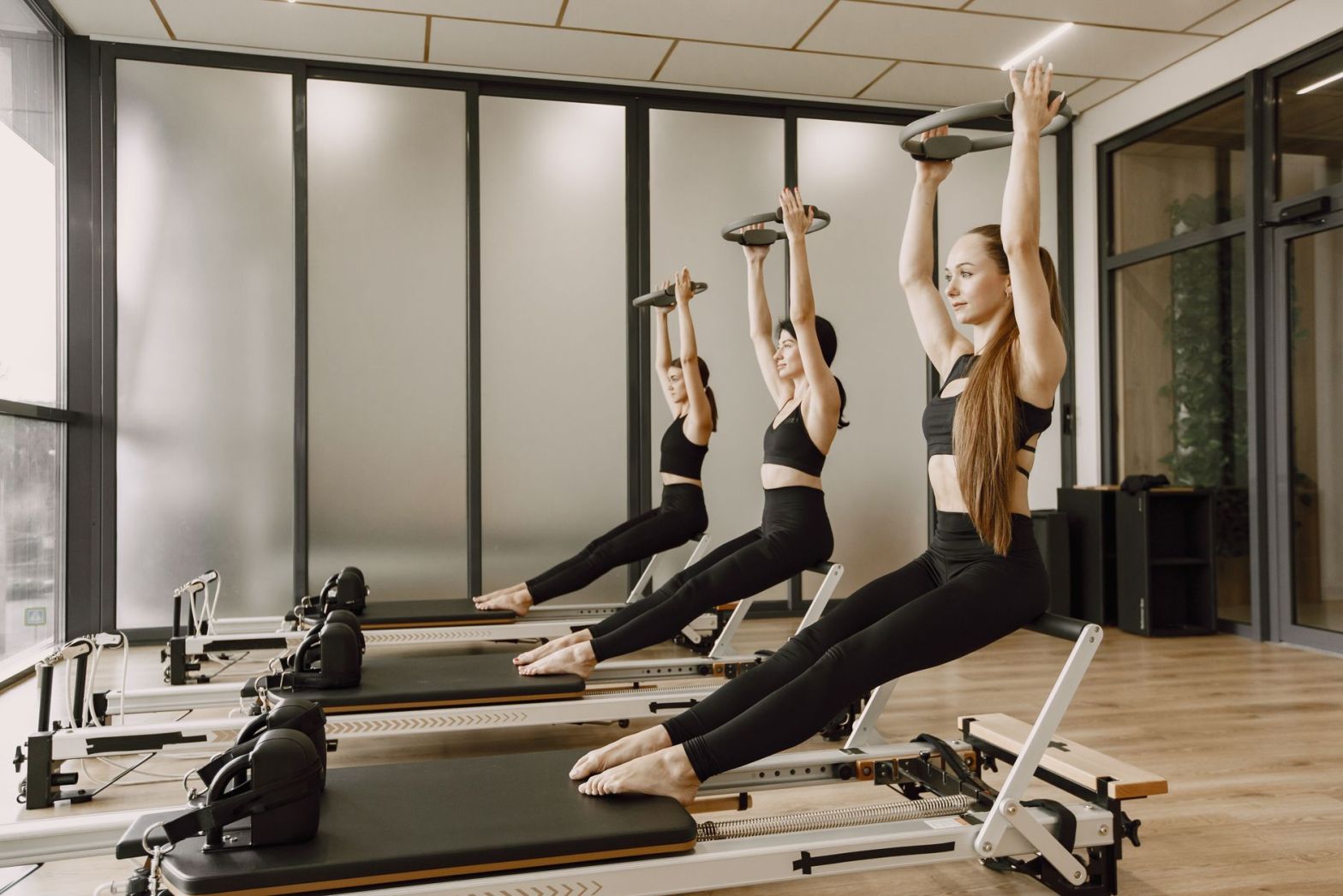
The Rise of Social Fitness: Why Working Out Together Is the UK’s Biggest Gym Trend in 2026

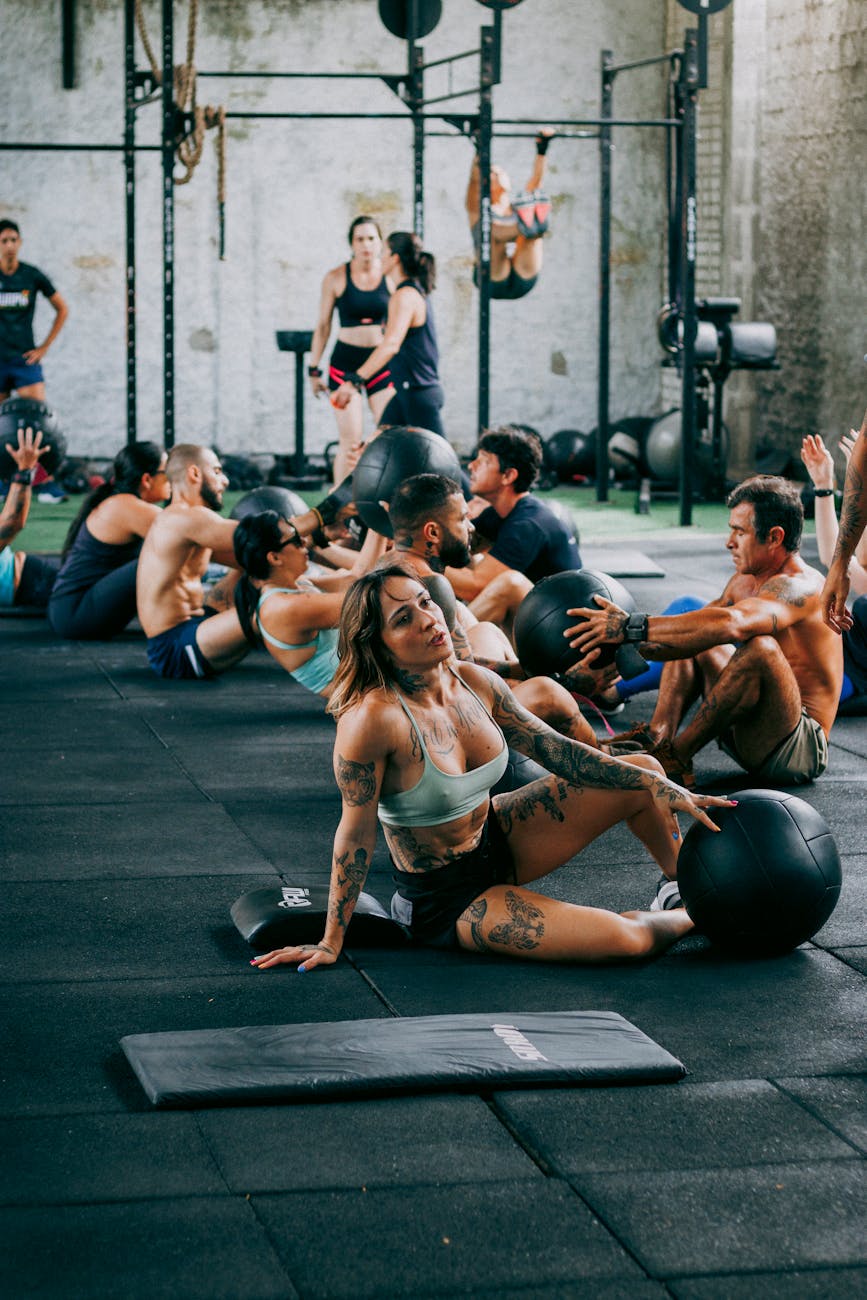
Photo by Vitor Diniz on Pexels.com

Gone are the days when going to the gym meant plugging in your headphones and avoiding eye contact. In 2026, fitness in the UK has become a thoroughly social affair — and it’s changing the way we think about exercise, motivation, and even friendship.

From the explosion of run clubs on city streets to packed-out Hyrox races in arenas across the country, more Britons than ever are choosing to sweat it out together. And the numbers back it up: research from Nuffield Health found that one in four adults in the UK now belongs to a fitness community, whether that’s a running club, a CrossFit box, or a gym-based training group.

So what’s driving this shift — and how can you get involved?

The Numbers Behind the Movement

The growth of social fitness isn’t just anecdotal. According to a recent survey by The Gym Group, 44% of Gen Z rank fitness as their first or second spending priority, with average monthly fitness spend up 17% year-on-year to £48.81. But they’re not just spending more — they’re spending it differently.

A striking 37% of Gen Z now view exercise as their primary way to socialise, with many choosing a group workout over a night at the pub. Among people who belong to a fitness community, 52% report an improved social life and 46% experience reduced feelings of loneliness.

It’s not just younger gym-goers feeling the benefits either. One in four men now say their fitness community acts as their main social outlet — a statistic that speaks volumes about the role exercise is playing in tackling isolation.

Run Clubs: The New Social Scene

Perhaps the most visible sign of the social fitness boom is the rise of run clubs. New clubs nearly quadrupled during 2025, and 58% of members say they’ve made new friends through their group.

The appeal is obvious: run clubs are free, require no equipment beyond a pair of trainers, and offer an instant sense of belonging. For many, they’ve replaced the traditional after-work drink as a way to unwind and connect.

Whether you’re a complete beginner looking for a Couch to 5K group or an experienced runner after some company on long Sunday runs, there’s likely a club near you. Many gyms now organise their own run clubs too, blurring the line between indoor and outdoor fitness communities.

Hyrox: From Niche Race to Mainstream Obsession

If run clubs are the gentle entry point to social fitness, Hyrox is the high-octane alternative. The hybrid fitness race — which combines running with functional workout stations — has seen explosive growth, jumping from just 600 athletes at its launch in 2018 to over 175,000 participants globally.

The UK has been at the heart of this boom, with around 60,000 athletes and more than 350 affiliated gyms. The 2026–27 UK season kicks off in Birmingham in October, followed by London in December, with Manchester, Glasgow, and Cardiff on the calendar for 2027.

What makes Hyrox particularly social is the way people train for it. Dedicated Hyrox classes and training groups have sprung up in gyms across the country, giving people a shared goal and a ready-made community. It’s the kind of structured, event-focused training that keeps people coming back week after week.

Why Group Fitness Works

The science backs up what many gym-goers already know instinctively: working out with others makes you more consistent. Research highlighted by Les Mills shows that gym members who attend group classes stay 1.8 times longer than those who train solo. Group classes also deliver 20% higher member retention for gyms.

The reasons are straightforward. A group setting creates accountability — you’re less likely to skip a session when others are expecting you. There’s also the motivational boost of collective energy; people tend to push harder when surrounded by others doing the same.

And it doesn’t have to mean high-intensity classes. The community element extends to yoga groups, walking clubs, swimming squads, and everything in between. The common thread is simply doing it alongside other people.

How to Find Your Fitness Community

If you’ve been training solo and fancy a change, 2026 is the perfect time to explore social fitness. Here are a few ways to get started:

Try a group class at your gym. Most gyms offer a range of classes from spinning to strength circuits. If you’re not sure which gym near you has the best class timetable, you can search and compare gyms on Gymist to find one that matches your interests.

Find a workout buddy. Training with a friend — or finding someone new to train with — can make all the difference. Gymist’s Buddies feature lets you connect with people in your area who share your training style and goals.

Join a local run club or fitness group. Check social media, community boards, or your local parkrun for groups that meet regularly. You can also browse fitness groups on Gymist to find communities near you.

Sign up for an event. Whether it’s a local 10K, a Tough Mudder, or a Hyrox race, having a shared goal with others is one of the most powerful motivators going. Many gyms run training programmes specifically designed to prepare you for events like these.

The Bottom Line

The rise of social fitness isn’t just a passing trend — it reflects a genuine shift in how people in the UK relate to exercise. Fitness is no longer purely about physical results; it’s become a way to build friendships, find community, and support mental wellbeing.

Whether you join a run club, sign up for a Hyrox class, or simply convince a mate to come to the gym with you, the message is clear: working out together beats working out alone.

How to Overcome Gym Anxiety: A Practical Guide for First-Time Gym-Goers

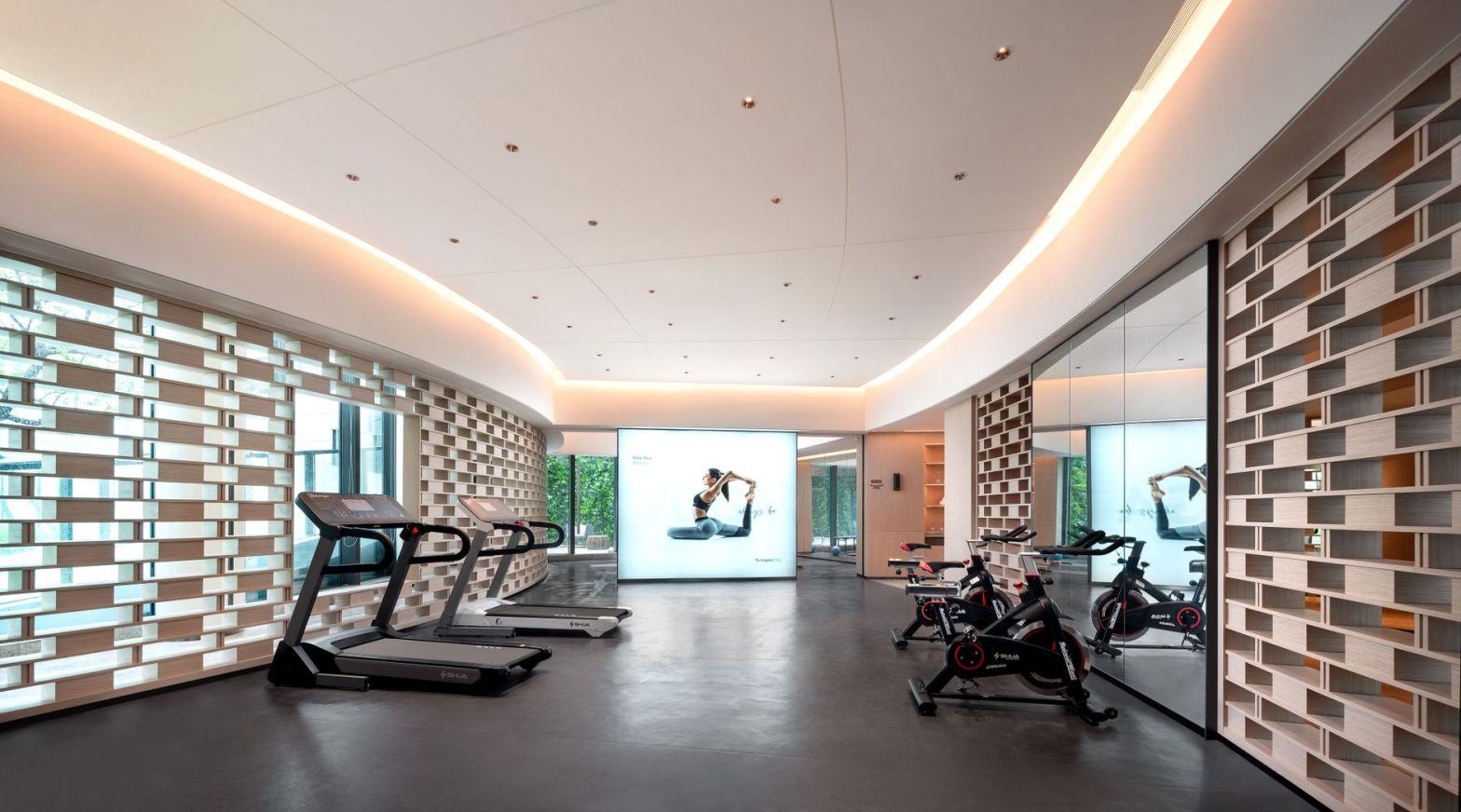
Photo by Cesar Galeão on Pexels.com

Walking into a gym for the first time can feel surprisingly intimidating. The clanging weights, the rows of unfamiliar machines, the people who all seem to know exactly what they’re doing — it’s enough to make anyone want to turn around and head straight home. If that sounds familiar, you’re far from alone.

Gym anxiety, sometimes called “gymtimidation,” is one of the biggest barriers stopping people from getting fit. A recent Gymshark survey found that almost 9 in 10 women reported experiencing some form of anxiety in the gym, with two-thirds admitting they’ve skipped a workout because of it. And it’s not just women — men feel it too. Research from PureGym’s 2025/26 UK Fitness Report shows that gymtimidation affects around 40% of first-timers, with those aged 25 to 34 feeling it most acutely.

The good news? Gym anxiety is completely normal, and there are practical steps you can take to push through it and start enjoying your workouts.

Why Does the Gym Feel So Intimidating?

Understanding where gym anxiety comes from is the first step to overcoming it. For most people, it boils down to a few common fears.

**Fear of being judged.** This is the big one. You worry that everyone is watching you, silently critiquing your form or fitness level. In reality, most gym-goers are far too focused on their own workouts to notice what you’re doing — but that knowledge doesn’t always stop the feeling.

**Not knowing what to do.** Over 80% of 25-to-34-year-olds say they feel anxious because they don’t know how to use the equipment or aren’t sure what exercises to do. Walking into a room full of machines with no plan is genuinely overwhelming.

**Feeling out of place.** Whether it’s thinking you’re not fit enough, not wearing the right clothes, or not being sure about gym etiquette, feeling like you don’t belong can be a powerful deterrent. Nearly one-third of UK gym members surveyed said they felt intimidated about using equipment for the first time.

**Certain areas feel off-limits.** The free weights section, in particular, can feel like an exclusive club. Many beginners — especially women — avoid it entirely, sticking to cardio machines because they feel safer and less exposed.

Practical Tips to Beat Gym Anxiety

Here’s how to take control and make the gym work for you, even if the thought of going makes your stomach flip.

**Visit before you commit.** Most gyms offer tours or free trial sessions. Use these to familiarise yourself with the layout, the equipment, and the general vibe of the place. Knowing where things are before your first real workout removes a huge source of anxiety.

**Go at quieter times.** Early afternoons on weekdays and late mornings on weekends tend to be the least busy periods. Fewer people means more space, less waiting for equipment, and a more relaxed atmosphere to find your feet.

**Have a plan before you walk in.** One of the fastest ways to feel confident is knowing exactly what you’re going to do. Write down three or four exercises, the number of sets and reps, and roughly how long you’ll spend. Even a simple plan like “20 minutes on the treadmill, then three sets of 10 on the leg press and chest press” gives you purpose and direction.

**Start with the basics.** You don’t need to attempt complicated lifts or high-intensity classes on day one. Cardio machines like treadmills, bikes, and cross-trainers are straightforward. Resistance machines have instructions printed on them. Start there, build confidence, and gradually expand your repertoire.

**Book a session with a personal trainer.** Even a single introductory session can be transformative. A good PT will show you how to use key equipment safely, help you build a basic programme, and answer all those questions you’ve been too embarrassed to ask. Many gyms include a free induction session when you join — take advantage of it.

**Bring headphones.** Music or a podcast gives you something to focus on other than the people around you. It creates a personal bubble and can genuinely shift your mindset from anxious to motivated.

**Remember the truth about other gym-goers.** Here’s what experienced gym members will tell you: nobody is watching you. Everyone started somewhere, and most people are far too busy counting their own reps to pay attention to yours. The gym is full of people who once felt exactly like you do now.

Building a Routine That Sticks

Getting through the door is the hardest part, but staying consistent is what really matters. Here are a few ways to build a lasting habit.

**Set small, achievable goals.** Don’t aim for five sessions a week straight away. Start with two, and treat each one as a win. Consistency over time beats intensity in the short term.

**Track your progress.** Whether it’s a simple notes app on your phone or a dedicated fitness journal, writing down what you did each session shows you how far you’ve come. Those numbers climbing week by week are powerful motivation.

**Find your time and stick to it.** Going at the same time each week turns gym visits into a routine rather than a decision you have to make every time. The less you have to think about it, the more likely you’ll go.

**Consider group classes.** If the gym floor feels too unstructured, classes offer a guided experience where someone tells you exactly what to do. They’re also a great way to meet people and feel like part of a community. Many beginners find classes less intimidating than navigating the equipment solo.

Choosing a Gym That Helps, Not Hinders

The gym you choose can make a massive difference to how comfortable you feel. Some gyms cater brilliantly to beginners with dedicated induction programmes, friendly staff, and a welcoming atmosphere. Others can feel more intense and competition-focused.

When you’re comparing options, look for gyms that offer free introductory sessions or personal training tasters, have a clear and approachable layout, run beginner-friendly group classes, and maintain a genuinely supportive culture. Reading reviews and visiting in person before signing up can save you from committing to somewhere that doesn’t suit your needs.

If you’re not sure where to start your search, Gymist makes it easy to find and compare gyms near you — helping you find a place that matches your goals, your budget, and your comfort level.

The Bottom Line

Gym anxiety is real, it’s common, and it’s nothing to be ashamed of. Almost everyone feels it at some point, from complete beginners to people returning after a long break. The key is not to wait until the anxiety disappears — it probably won’t until you start going. Take small steps, have a plan, choose the right gym, and give yourself permission to be a beginner. The confidence will follow.

What Is Hybrid Training? The Complete Beginner’s Guide to Getting Strong and Fit

Photo by Cesar Galeão on Pexels.com

If you’ve spent any time in a gym lately, you’ve probably noticed something shifting. The old divide between “cardio people” and “weights people” is breaking down. More and more gym-goers are combining both into a single training approach — and it has a name: hybrid training.

Hybrid training has become one of the biggest fitness trends in 2026, and for good reason. Whether you’re a complete beginner or someone who’s been stuck in a workout rut, this approach could be exactly what you need to take your fitness to the next level.

So What Exactly Is Hybrid Training?

In simple terms, hybrid training means combining strength training (like lifting weights or using resistance machines) with cardiovascular training (like running, cycling, rowing, or swimming) in a structured programme. Rather than choosing one or the other, you train both — deliberately and consistently.

The idea isn’t new. Athletes have been blending strength and endurance work for decades. But what’s changed is that everyday gym-goers are now embracing this approach, driven by a desire to be more well-rounded in their fitness rather than just strong or just fit.

Think of it this way: being able to deadlift twice your bodyweight is impressive, but it’s even better if you can also run for a bus without getting winded. Hybrid training is about building a body that’s capable across the board.

Why Has Hybrid Training Become So Popular?

Several factors are driving the hybrid training boom. The ACSM’s worldwide fitness trends survey shows that functional and well-rounded fitness continues to climb the rankings of what people want from their gym time.

There’s also been a cultural shift. Social media has popularised the idea of the “hybrid athlete” — someone who can lift heavy, run far, and move well. Events like Hyrox, which combine running with functional fitness stations, have exploded in popularity across the UK, giving people a tangible goal to train towards.

Perhaps most importantly, research backs it up. A meta-analysis published in Sports Medicine found that concurrent training — combining strength and endurance work — still produces strong gains in both areas. The old fear that cardio would “kill your gains” has been largely put to rest, provided you programme your training sensibly.

The Benefits of Hybrid Training

The appeal of hybrid training goes beyond just looking good. Here’s what you stand to gain:

**Better overall health.** Combining resistance and cardiovascular exercise gives you the best of both worlds — stronger muscles, better heart health, improved bone density, and more efficient metabolism. The NHS recommends adults do both strengthening activities and moderate aerobic activity each week, and hybrid training ticks both boxes neatly.

**Improved body composition.** The combination of resistance and cardio training boosts metabolism and supports lean muscle development. You’ll burn calories during your sessions and continue burning them afterwards thanks to the metabolic boost from strength training.

**Greater mental resilience.** Hybrid sessions build mental toughness through the discipline of pushing through varied challenges. With exercise for mental health now ranked as the 6th biggest fitness trend worldwide by the ACSM, this dual approach gives you both the mood-boosting effects of cardio and the confidence that comes from getting stronger.

**Reduced injury risk.** Runners who lift tend to have stronger joints and fewer injuries, while lifters who add cardio often recover faster and feel more athletic overall.

**It keeps things interesting.** Let’s be honest — doing the same routine week after week gets boring. Hybrid training naturally varies your sessions, which keeps you motivated and engaged.

How to Get Started With Hybrid Training

If you’re new to this, the good news is that you don’t need to overcomplicate things. Here’s a simple framework to get you going:

**Start with three to four sessions per week.** A beginner-friendly split might look like two strength sessions, two cardio sessions, and at least one rest day. As you get more comfortable, you can increase the frequency or start combining elements within single sessions.

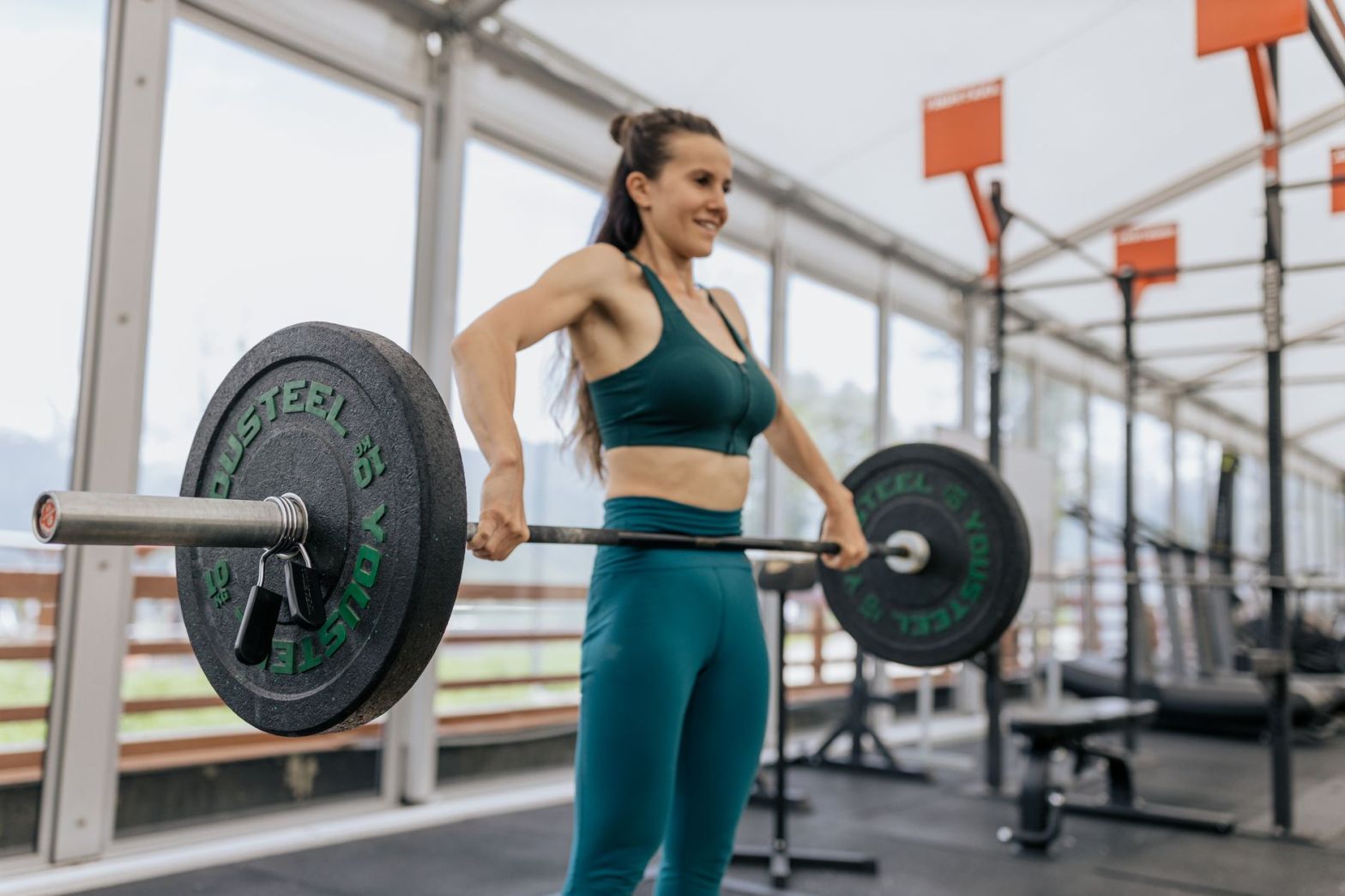
**Focus on compound movements for strength.** Exercises like squats, deadlifts, bench press, rows, and overhead press recruit multiple muscle groups and give you the most bang for your buck. You don’t need fancy equipment — a barbell, some dumbbells, and a few machines will do the job.

**Keep cardio varied and enjoyable.** Running is the obvious choice, but cycling, rowing, swimming, or even brisk walking all count. The best cardio is the one you’ll actually do consistently. Start with 20-30 minutes per session at a moderate intensity.

**Watch your order of operations.** If you’re doing both in one session, lift first and do cardio second. Strength training requires more focus and precision, and you’ll perform better when you’re fresh. Fatigued muscles under heavy load is a recipe for poor form and potential injury.

**Prioritise recovery.** Getting 7-9 hours of sleep per night, eating enough protein (around 1.6-2g per kilogram of bodyweight), and taking rest days are all essential. Hybrid training asks more of your body, so you need to give it the resources to adapt.

A Sample Beginner Week

Here’s what a typical week might look like if you’re just starting out:

**Monday — Strength (Upper Body):** Bench press, bent-over rows, overhead press, bicep curls, tricep dips. 3 sets of 8-12 reps each.

**Tuesday — Cardio:** 25-minute jog or cycle at a conversational pace. If running feels too much, try a brisk walk with intervals of light jogging.

**Wednesday — Rest or active recovery.** A gentle walk, some stretching, or a yoga session.

**Thursday — Strength (Lower Body):** Squats, Romanian deadlifts, leg press, lunges, calf raises. 3 sets of 8-12 reps each.

**Friday — Cardio:** 20 minutes of rowing or cycling, or try a bodyweight circuit (burpees, mountain climbers, jump squats) for something more intense.

**Saturday/Sunday — Rest.** Take at least one full day off. Use the other for a light activity you enjoy — a hike, a swim, a game of football with mates.

Finding the Right Gym for Hybrid Training

Not every gym is set up equally for hybrid training. Ideally, you want a facility that has both a solid free weights area and good cardio equipment. Look for gyms that offer rowing machines, assault bikes, or a running track alongside squat racks and dumbbells. Functional training areas with battle ropes, kettlebells, and sleds are a bonus.

If you’re not sure where to start looking, Gymist can help you find a gym near you that matches your needs — whether you’re after a budget-friendly chain or a specialist functional fitness studio with personal trainers who can guide your hybrid training journey.

The Bottom Line

Hybrid training isn’t just a trend — it’s a smarter, more balanced way to approach fitness. By combining strength and cardio work, you build a body that’s strong, fit, and resilient. You don’t need to be an elite athlete to benefit from it. You just need a plan, a bit of consistency, and a gym that gives you the tools to train the way you want.

Start simple, stay consistent, and let the results speak for themselves.